
How to Choose a Safe Tattoo Studio: A Simple Checklist
One question we get constantly in DMs, usually from someone planning a trip: is it safe to get a tattoo in Thailand? The honest answer is the same for any city. It depends on the studio, not the country. Bangkok has spotless studios and careless ones, exactly like Berlin, Seoul or Melbourne.
So instead of a yes or a no, here is the checklist we would use ourselves when booking somewhere new. Most of it you can check with your own eyes in the first five minutes; the rest you can ask in a message before you book. If this is your first tattoo, our beginner's guide pairs well with this one. 🌿
What you should see before the needle touches your skin
Hygiene matters most and, luckily, is the easiest part to see. A good artist sets up in front of you, with nothing hidden. Watch for:
- A single-use needle opened from a sealed packet in front of you. Not one already waiting on the tray. If you did not see it opened, it is fine to ask.
- Fresh gloves, put on after the setup and changed whenever the artist touches something else: a phone, a door handle, their own face.
- Plastic barriers over the machine, cord, bottles, lamp, anything hands will touch during the session.
- New ink caps filled for you, never leftover ink from the person before.
- A fresh cover on the bed or chair for each client, and a work surface wiped down before your things go on it.
You can also simply ask whether the studio is registered or inspected for hygiene under the local requirements wherever it is. Rules differ from place to place, but a serious studio will not mind the question. Usually they are proud of the answer.
Judge the studio by its healed work
Every tattoo looks sharp in the photo taken ten minutes after it was finished: red skin, crisp lines, colour at its brightest. What shows an artist's real skill is how the work looks once healed, at a few months or a year. Ask to see healed photos. Any experienced artist has them, and the good ones love showing them.
The second question is style, and it matters as much as cleanliness. Look through the portfolio and be honest: is this what you actually want on your body? An artist who does beautiful heavy blackwork is not automatically right for a tiny, colourful flower, and the other way around. A good artist will say so themselves and point you to someone else.
The conversation before the tattoo
A safe tattoo starts before anyone touches a machine. You should be able to talk through the design, ask for changes, and take a moment to think. If you feel rushed, or pushed toward a bigger piece, a different placement or a decision on the spot, notice that. A good studio expects questions.
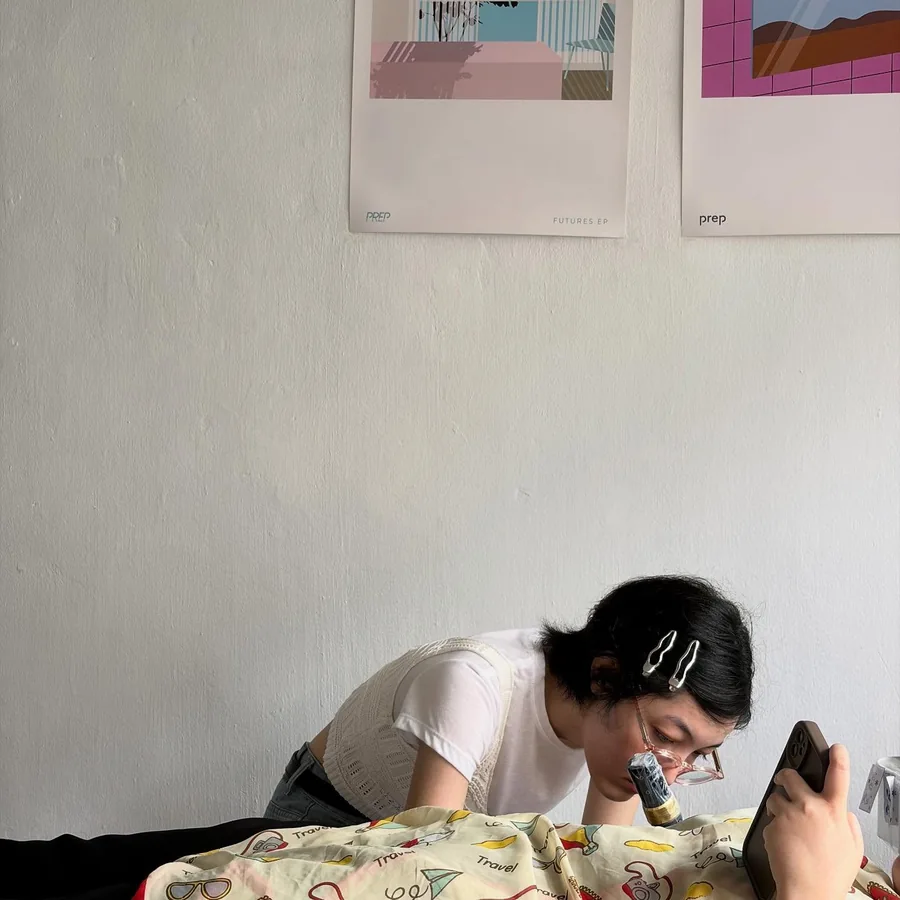
It should go both ways. A careful artist asks about you: where the tattoo is going, how your skin is there, whether you have allergies or take anything that affects healing, whether you have eaten today. They should also explain aftercare clearly, in whatever mix of words and pictures works between you; and if the healing worries you later, ask a doctor, not a comment thread. We walked through a whole session, first sketch to last wipe, in behind the tattoo process.
Red flags worth walking away from
- No gloves, or gloves that answer the phone and come straight back to your skin.
- No fresh setup in front of you. If the needle, ink caps and covers were ready before you arrived, you cannot know whether they are new.
- A price far below everyone else's. Good needles, inks and single-use supplies cost money. A very cheap tattoo is usually saving on something you cannot see.
- Saying yes to everything without looking. An artist who agrees to any design in any spot without checking your skin or asking a single question is not flexible, just not paying attention.
One rule covers all of the above: you are allowed to leave. Even if you travelled across the city, even if the stencil is already on your arm. A tattoo is permanent; a slightly awkward goodbye is not. Nobody serious is offended by someone taking care of their own skin.
How we do it at Naive Flora
A short word about us. Naive Flora is a small private studio in Bangkok: one artist, one client at a time, so there is never another session beside yours or anyone waiting behind you. Every setup is done fresh in front of each person: a sealed single-use needle opened while you watch, new ink caps, a new sheet on the bed. Why we work this way is in why people choose a private tattoo studio.
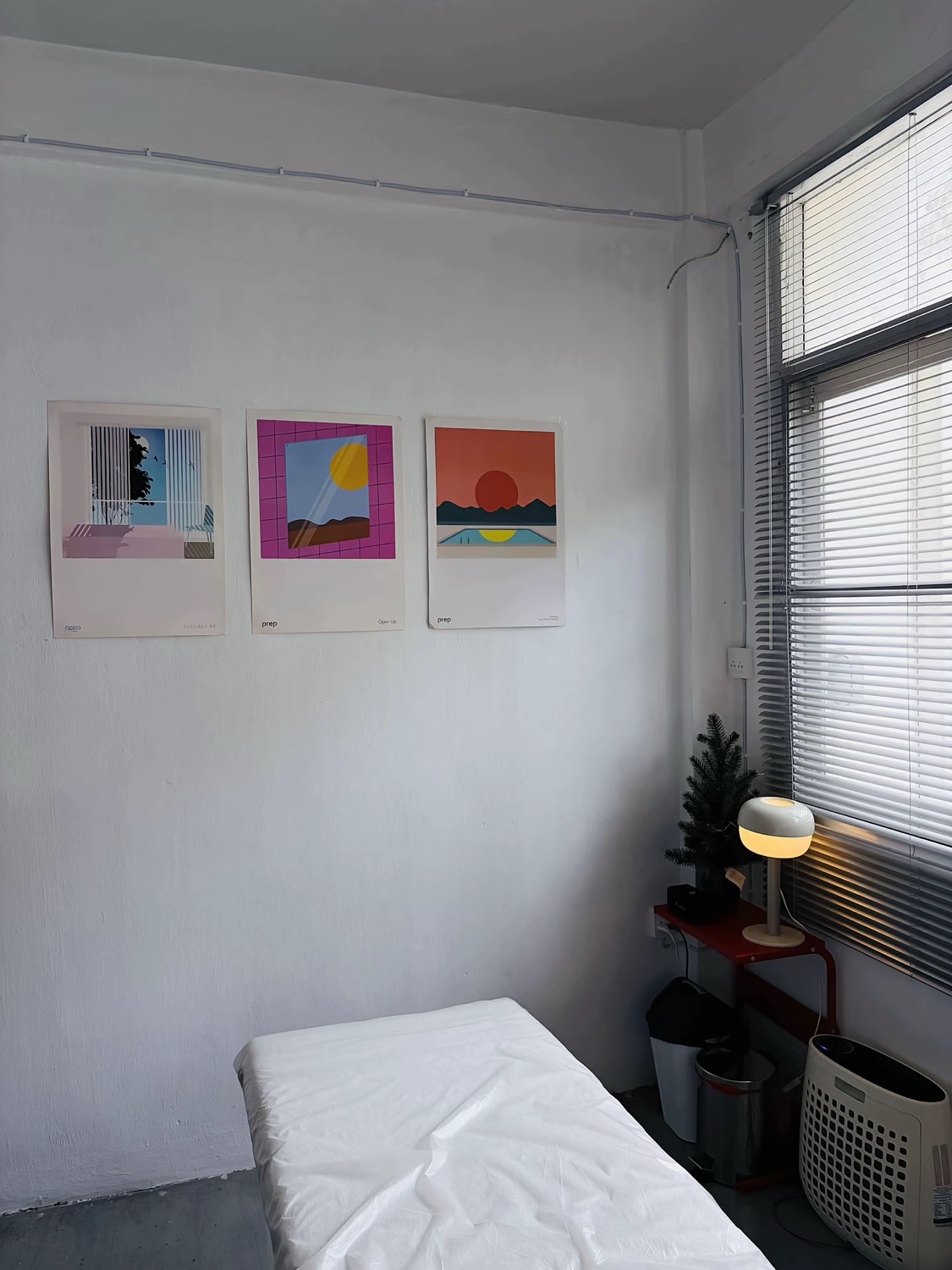
The room itself is deliberately plain: white walls, a bed with a fresh white sheet, three posters, a small pine tree, a lamp and an air purifier humming in the corner. Not for the photos, although we think it looks nice, but because an uncluttered room is easier to keep clean and to feel calm in. Downstairs is the matcha cafe Portcha, which helps with nerves too.
Planning a tattoo in Bangkok, or anywhere else, and something on this list has you wondering? Message us on @naive.flora.tattoo. Ask anything: our setup, our needles, our healed work, whether your idea suits the naive style. Chatting in DM is easy for us; in person it is simple English, pictures and smiles, which has worked well with visitors from all over the world. We would rather answer ten questions in DM than have you lie down unsure. 🌷
The studio is on Phahonyothin 32/1, Sena Nikhom, Chatuchak, open daily 10:00 to 20:00, tattoos from ฿1,500. Whether you end up with us or another good studio, we hope this checklist helps you walk in feeling sure.
Related stories
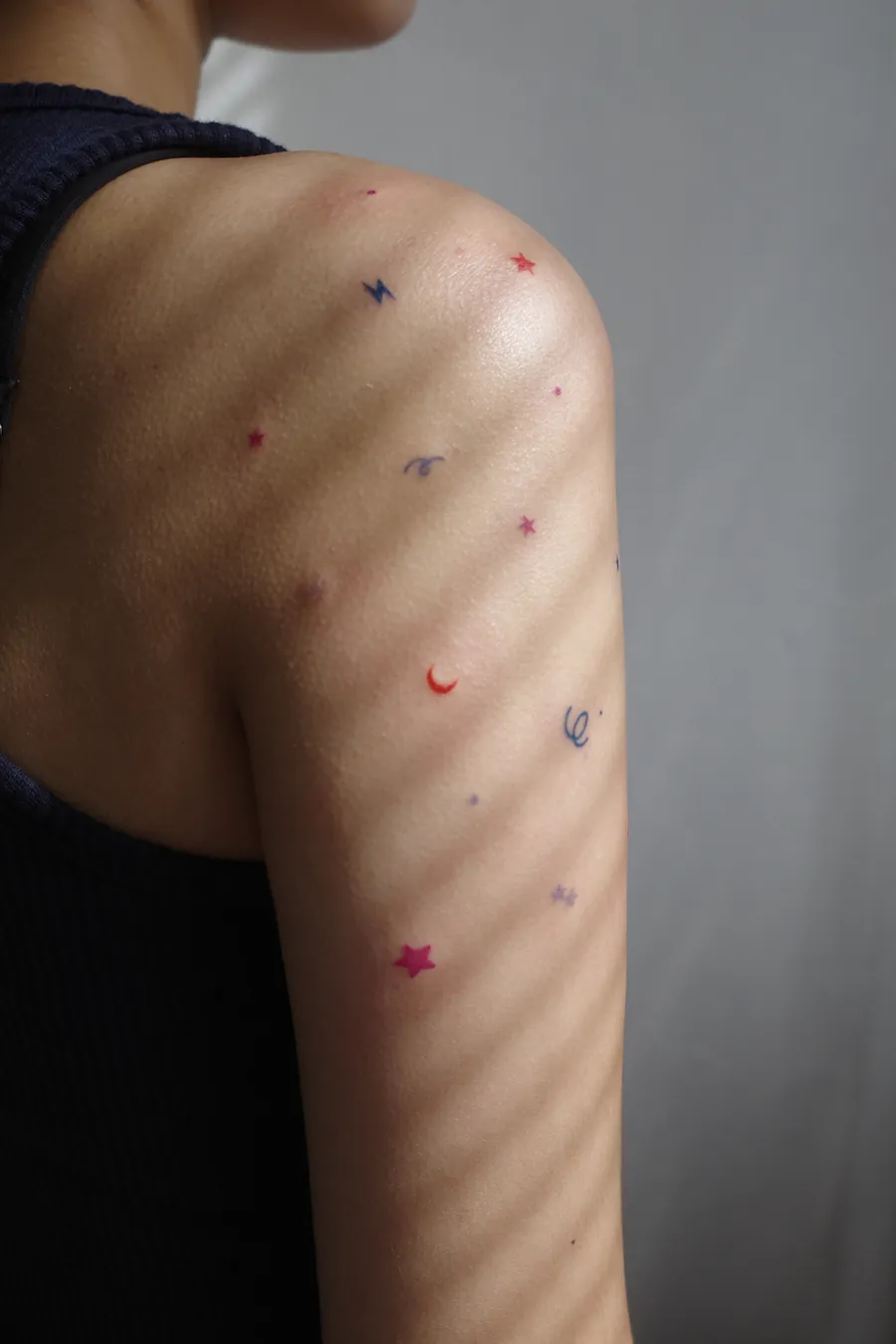 Scattered Star Tattoo: Tiny Sticker Pieces Across One ArmTiny colour stars, a moon and lightning scattered from shoulder to upper arm. How we cut a stencil for every pRead article
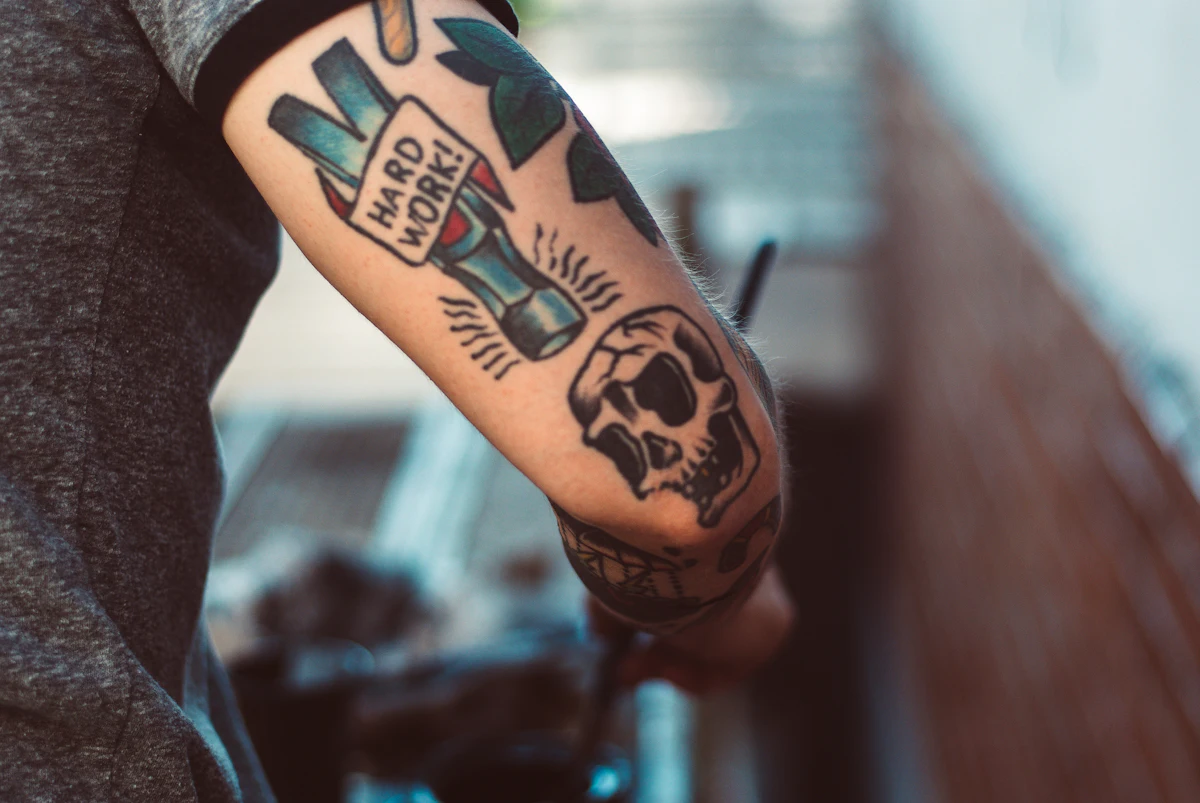 Patchwork Tattoo Ideas: A Sleeve Built One Piece at a TimeWhat a patchwork tattoo is, why it suits colourful naive and doodle designs, and how to plan a playful sleeve Read article
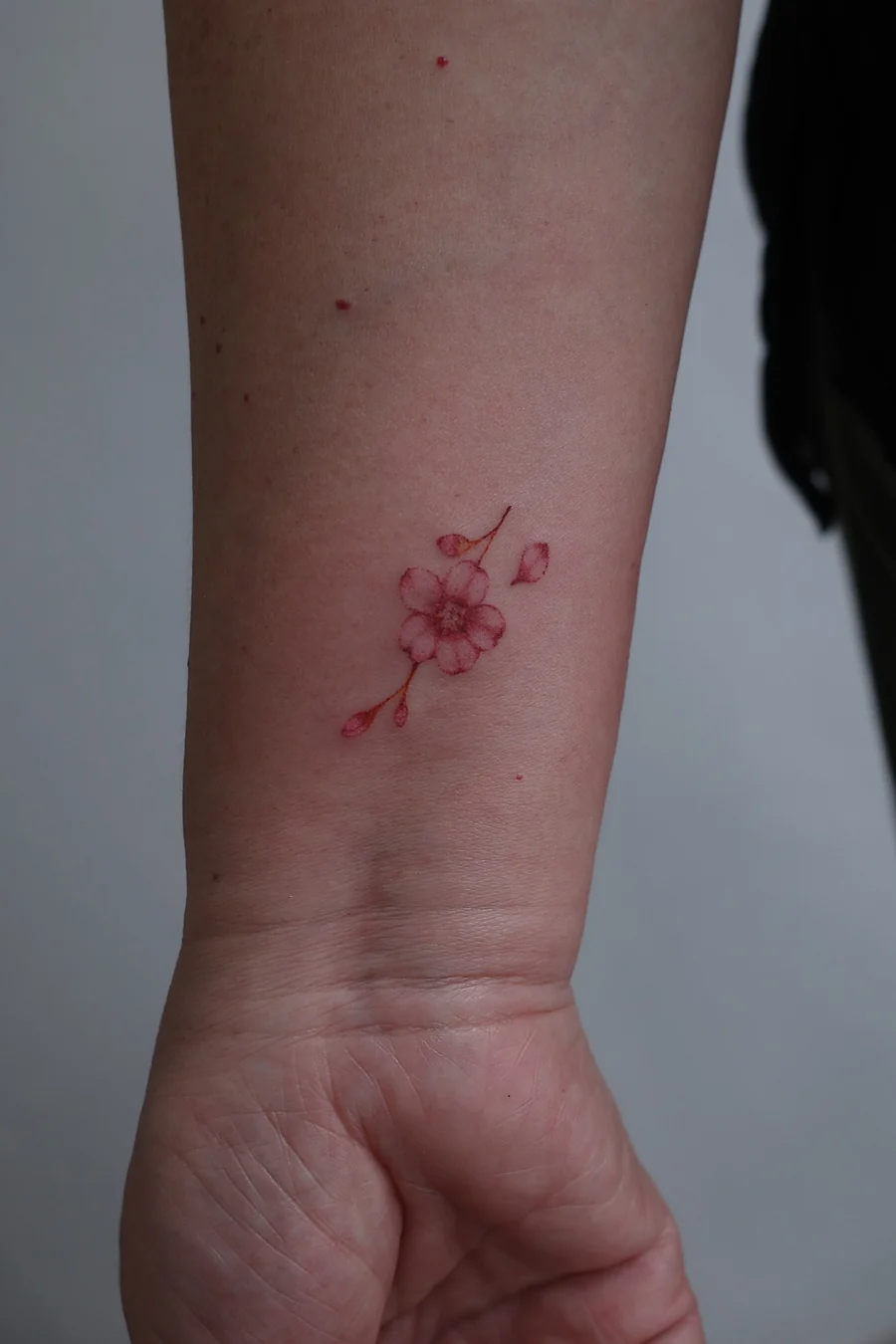 Cherry Blossom Tattoo: A Soft Pink Sakura on the WristA small colour cherry blossom tattoo on the inner forearm, from a Procreate preview to the finished piece. WhaRead article